Normalizing Stress
Mental Wellness

Normalizing Stress

November 19, 2022 | Wendy Blanchard

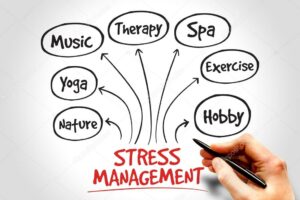
A stress mindset, or the belief that stress has debilitating consequences such that we believe that we are being "threatened," or that stress will hurt us, or harm us in some way, results in an increase of cortisol in our body! The more you believe stress is harmful, the more stress hurts you!

On the other hand, research shows that if we shift our stress mindset to one that believes that stress is actually helping us respond positively to a stressful situation, then cortisol levels stay steady, and we actually use the stress to help us rather than harm us!

One study found that when people viewed stress as enhancing, there was a decrease in psychological symptoms, and an increase in work performance and life satisfaction. This was compared to the group that viewed stress as debilitating and found there was an increase in symptoms, and decreases in work performance and life satisfaction!

So, when we are confronted with a stressful situation, we can choose to use it to "step up to a challenge," giving us energy rather than being shut down by the stress. We can use the stress to respond positively, effectively, and efficiently to accomplish a goal. We can view stress as an opportunity to rise to an occasion!

Key Strategies for Managing Stress

  • Reframe Your Thinking: Instead of viewing stress as a threat, see it as your body preparing you to meet a challenge. Your increased heart rate and breathing are getting oxygen to your brain to help you think clearly.
  • Practice Mindfulness: Stay present in the moment rather than catastrophizing about potential negative outcomes. Mindfulness meditation can help you observe stress without judgment.
  • Use Stress as Information: When you feel stressed, ask yourself what this feeling is telling you. Is there something you care deeply about? Is there an action you need to take?
  • Connect with Others: Stress responses actually include the release of oxytocin, which motivates us to seek support and connect with others. Don't isolate yourself when stressed.
  • Focus on Values: Connect the stressful situation to your deeper values and what matters most to you. This can transform anxiety into meaningful engagement.

The goal is not to eliminate stress from our lives - that's impossible and not even desirable. Instead, we want to change our relationship with stress. When we stop treating stress as the enemy and start seeing it as a natural response that can actually help us, we become more resilient and capable.

Remember, the same physical responses that we interpret as anxiety - the racing heart, the quick breathing, the heightened alertness - are the same responses our body uses to prepare us for peak performance. Athletes, performers, and public speakers often report feeling these sensations before their best performances. The difference is in how we interpret and use these feelings.

By normalizing stress and viewing it as a natural part of life that can enhance our performance and growth, we take away its power to harm us and instead harness it as a resource for resilience and achievement.


A Journey that has come full circle
Mental Wellness

A Journey that has come full circle

October 10, 2022 | Wendy Blanchard

My body has changed. Lupus and the drugs it needs to tame it causes weight gain and "moon face." For someone who has struggled with an eating disorder since age 13, this is devastating. However, I am learning to accept this new body with love, compassion, and gratitude for all that it has endured and continues to endure.

Throughout my recovery journey, I've had to confront my relationship with my body repeatedly. Each challenge - whether it was early recovery from addiction, managing mental health symptoms, or now living with an autoimmune disease - has required me to rethink what it means to care for myself.

The Evolution of Self-Acceptance

For decades, I measured my worth by the number on the scale, the size of my clothes, the reflection in the mirror. The eating disorder told me that if I could just control my body enough, I would finally be good enough, worthy enough, lovable enough. But that promise was a lie.

Recovery taught me that true wellness isn't about achieving a certain body size or shape. It's about treating my body with the respect and care it deserves as the vessel that carries me through this life. It's about nourishing rather than punishing, accepting rather than criticizing, appreciating rather than condemning.

Living with Lupus

When I was diagnosed with lupus, it felt like another betrayal by my body. After all the work I'd done to make peace with it, here was another challenge to face. The medications necessary to manage the disease caused my body to change in ways I couldn't control - and control had been my primary coping mechanism for so long.

But here's what I've learned: My body isn't betraying me. It's doing the best it can under difficult circumstances. The swelling, the weight gain, the fatigue - these aren't character flaws or failures. They're evidence that my body is fighting, is surviving, is doing what it needs to do.

Practicing Radical Self-Compassion

Every day, I practice radical self-compassion. When I look in the mirror and the eating disorder voice starts whispering its criticisms, I pause. I take a breath. I thank my body for waking up this morning, for taking each breath, for continuing to fight.

I remind myself that my value has nothing to do with my appearance. My worth is inherent - it exists simply because I exist. The same is true for everyone reading this. You are worthy not because of what you look like, what you achieve, or how well you perform. You are worthy because you are.

Full Circle

The journey has come full circle in many ways. I started out hating my body, trying to control it, punishing it. Through addiction and eating disorders, I waged war against myself. Through recovery, I slowly made peace. And now, with lupus, I'm learning the deepest lesson of all: unconditional love for this body that has carried me through so much.

This doesn't mean I don't have hard days. There are mornings when I struggle to recognize myself in the mirror. There are moments when the old voices try to creep back in. But I've learned to meet those moments with gentleness rather than judgment, with compassion rather than criticism.

If you're struggling with body image, with an eating disorder, with accepting physical changes due to illness or medication, please know you're not alone. Please know that your body deserves love and care regardless of its size or shape. Please know that healing is possible, even when it's not linear.

My journey has taught me that true health isn't about perfection or control. It's about balance, acceptance, and treating ourselves with the same kindness we would offer to a dear friend. It's about recognizing that we are so much more than our bodies - and yet our bodies deserve our love and respect.

The circle is complete, but the journey continues. Each day brings new opportunities to practice self-love, to choose compassion, to live in gratitude for this miraculous body that keeps showing up, keeps fighting, keeps carrying me forward.

I shall not want
Mental Wellness Holistic Health and Wellness

"I shall not want" Psalm 23:1

August 22, 2022 | Wendy Blanchard

When my doctor suggested that I take a medication that actually "increases the levels of the neurotransmitters serotonin and norepinephrine in the brain," I was hesitant. As someone committed to natural and holistic solutions, the idea of taking a pharmaceutical felt like a step backward.

But then I remembered the wisdom of Psalm 23:1 - "The Lord is my shepherd, I shall not want." This verse isn't about denying our needs or refusing help. It's about trusting that we will be provided for, that the right support will come at the right time, in whatever form it needs to take.

Integrative Approach to Mental Health

Throughout my career, I've advocated for an integrative approach to recovery and wellness. This means using both traditional medical interventions and holistic, natural solutions. It means recognizing that sometimes, our bodies need pharmaceutical support while we build our foundation of wellness through nutrition, mindfulness, spirituality, and self-care.

There's no shame in needing medication. Depression, anxiety, and other mental health conditions are real medical issues that often require medical treatment. Just as we wouldn't expect someone with diabetes to manage their condition through willpower alone, we shouldn't expect people with mental health conditions to heal without appropriate medical support.

Breaking Down Stigma

One of the biggest barriers to mental health treatment is stigma - both from society and from ourselves. We might feel we've "failed" if we need medication. We might worry what others will think. We might believe that needing help means we're weak.

But the truth is that seeking help - in whatever form it takes - is an act of courage. It's an act of self-love. It's an acknowledgment that we deserve to feel better, to live fully, to experience relief from suffering.

Holistic Support Alongside Medication

Even when medication is necessary, we can support our mental health through holistic practices:

  • Nutrition: Eating whole, organic foods that nourish our brain and body. Omega-3 fatty acids, B vitamins, and probiotics all support mental health.
  • Movement: Regular exercise releases endorphins and helps regulate mood. Even gentle movement like walking or yoga can make a significant difference.
  • Sleep: Prioritizing quality sleep helps our brain process emotions and restore balance.
  • Mindfulness: Meditation, prayer, and mindfulness practices help us stay grounded and manage difficult emotions.
  • Connection: Maintaining supportive relationships and community provides emotional support and reduces isolation.
  • Purpose: Engaging in meaningful activities and helping others gives us a sense of purpose and fulfillment.

Trusting the Process

"I shall not want" doesn't mean we won't have needs. It means we trust that those needs will be met. Sometimes that provision comes through natural remedies. Sometimes it comes through medication. Sometimes it comes through therapy, support groups, or the love of friends and family.

The key is remaining open to all forms of healing and support. It's about releasing our rigid ideas about what recovery "should" look like and accepting what actually works for us as individuals.

My Personal Journey

I decided to try the medication my doctor recommended. Not because I was giving up on natural solutions, but because I was embracing a truly integrative approach. I continued my holistic practices - the nutrition, the mindfulness, the spiritual work - while also allowing modern medicine to support my brain chemistry.

The result has been transformative. With the medication providing a foundation of stability, I've been able to engage more fully in the holistic practices that support my overall wellness. I have more energy for exercise, more focus for meditation, more capacity for connection.

This is what integration means - not choosing between traditional and alternative medicine, but using the best of both to support our healing and wellness.

A Message of Hope

If you're struggling with mental health challenges, please know that help is available. Whether that help comes in the form of medication, therapy, holistic practices, or all of the above, you deserve to feel better. You deserve support. You deserve healing.

"I shall not want" - trust that what you need will be provided. Stay open to all forms of healing. Release shame and stigma. Embrace an integrative approach that honors both medical science and holistic wisdom.

Your mental health matters. You matter. And you don't have to suffer alone or figure it all out by yourself. Reach out. Get help. Trust the process. Healing is possible.

I Choose To Live, Love, Laugh and Learn
Mental Wellness Holistic Health and Wellness

I Choose To Live, Love, Laugh and Learn

August 7, 2022 | Wendy Blanchard

Threats of bodily harm, and threats/following through of the withdrawing of affection from a parent to a young child, adolescent or even adult child, has psychological impacts that can last a lifetime if not addressed and healed from.

Growing up in an environment where love is conditional, where affection is used as a weapon, where fear replaces security - these experiences shape our understanding of ourselves and our relationships with others in profound ways.

The Impact of Childhood Trauma

When a child experiences emotional abuse through the withdrawal of love and affection, they learn that they are only lovable when they meet certain conditions. They learn that love is something to be earned, not freely given. They learn that their worth is contingent on their behavior, their achievements, their ability to please others.

These beliefs become deeply ingrained and follow us into adulthood, affecting our relationships, our self-esteem, our mental health, and our ability to set healthy boundaries. We might find ourselves:

  • Constantly seeking approval from others
  • Unable to say "no" for fear of rejection
  • Feeling unworthy of love and care
  • Struggling with anxiety and depression
  • Repeating unhealthy relationship patterns
  • Using substances or behaviors to cope with emotional pain
  • Difficulty trusting others or forming secure attachments

The Choice to Heal

But here's the powerful truth: We don't have to remain victims of our past. We can choose healing. We can choose growth. We can choose to live, love, laugh, and learn.

I Choose to LIVE: I choose to fully inhabit my life, to be present in each moment, to experience the full range of human emotions without numbing or escaping. Living means showing up authentically, even when it's uncomfortable.

I Choose to LOVE: I choose to love myself first and foremost - with all my imperfections, with all my past mistakes, with all my current struggles. I choose to extend compassion to myself the way I would to a dear friend. And from that foundation of self-love, I can love others in healthy, boundaried ways.

I Choose to LAUGH: I refuse to let my trauma steal my joy. I choose to find humor, to experience lightness, to allow myself moments of genuine happiness without guilt. Laughter is healing. Joy is resistance against the darkness.

I Choose to LEARN: I choose to see every experience - even the painful ones - as opportunities for growth. I choose to remain curious about myself, about others, about life. I choose to continue evolving, healing, and becoming.

Breaking the Cycle

One of the most important aspects of healing from childhood trauma is ensuring we don't perpetuate the cycle. This means:

  • Doing our own healing work: Therapy, support groups, spiritual practices - whatever helps us process our pain and change our patterns.
  • Learning healthy relationship skills: How to communicate, how to set boundaries, how to love without conditions.
  • Practicing self-awareness: Noticing when we're reacting from our wounds rather than responding from our wisdom.
  • Seeking support: We can't heal in isolation. We need safe people who can support us on our journey.
  • Extending compassion to ourselves: Healing isn't linear. We'll make mistakes. That's part of being human.

Reparenting Ourselves

Much of recovery from childhood trauma involves learning to reparent ourselves - to give ourselves what we didn't receive as children. This means:

  • Speaking to ourselves with kindness and encouragement
  • Setting healthy boundaries to protect our wellbeing
  • Celebrating our accomplishments, no matter how small
  • Comforting ourselves when we're hurting
  • Providing ourselves with the safety and security we needed
  • Offering ourselves unconditional love and acceptance

The Power of Choice

The beautiful thing about being an adult is that we now have choices we didn't have as children. We can choose who we spend time with. We can choose how we respond to difficult situations. We can choose to seek help. We can choose to heal.

Our past doesn't have to determine our future. Yes, it has shaped us. Yes, it requires work to heal from. But we are not doomed to repeat the patterns that were modeled for us. We can break the cycle. We can create something different.

Living in Freedom

Today, I choose freedom. Freedom from the limiting beliefs that were imposed on me. Freedom from the fear that controlled me. Freedom from the shame that silenced me. Freedom to be fully, authentically myself.

This freedom doesn't mean the absence of pain or struggle. It means I'm no longer enslaved by my past. It means I can acknowledge what happened to me while not letting it define who I am. It means I can use my experiences to help others while not remaining stuck in victim identity.

A Message to Fellow Survivors

If you're reading this and recognizing your own story in these words, please know: You are not alone. What happened to you was not your fault. You deserved better. And you still deserve better now.

Healing is possible. It takes time, courage, and support - but it is absolutely possible. You can break free from the patterns of your past. You can learn to love yourself. You can create the life you deserve.

I choose to live, love, laugh, and learn. I invite you to make the same choice. Every day, in small ways and big ways, we can choose healing. We can choose growth. We can choose life.

You are worthy of love - not because of what you do or how you perform, but simply because you exist. You are enough, exactly as you are. And your healing journey, no matter where you are in it, is valid and important.

Choose to live. Choose to love. Choose to laugh. Choose to learn. Choose healing. Choose yourself.

Mental Wellness Holistic Health and Wellness

My article In FIND ADDICTION REHABS

July 12, 2022 | Wendy Blanchard

I have been sought out by Find Addiction Rehabs to write an article on Substance Use/Mental Health Disorders and Wellness! This is such an honor and a testament to the importance of sharing our stories and expertise to help others on their recovery journey.

The Intersection of Addiction and Mental Health

One of the most important things to understand about substance use disorders is that they rarely exist in isolation. The vast majority of people struggling with addiction also have co-occurring mental health conditions such as depression, anxiety, PTSD, or bipolar disorder.

This relationship between substance use and mental health is complex and bidirectional. Sometimes people use substances to self-medicate mental health symptoms they don't fully understand or know how to manage. Other times, substance use itself triggers or exacerbates mental health conditions.

Why Integrated Treatment Matters

For many years, the addiction treatment field and the mental health field operated separately. People were often told they needed to get sober before addressing mental health issues, or vice versa. But research has shown that this approach doesn't work.

Integrated treatment - addressing both substance use and mental health simultaneously - leads to better outcomes. When we treat the whole person rather than just one symptom or diagnosis, healing becomes possible.

The Role of Wellness in Recovery

While clinical treatment is essential, lasting recovery requires more than just stopping substance use or managing symptoms. It requires building a life worth living - a life filled with purpose, connection, meaning, and wellbeing.

This is where wellness practices become crucial:

  • Nutrition: What we eat directly affects our brain chemistry, mood, and energy levels. A diet rich in whole foods, healthy fats, and adequate protein supports both physical and mental health.
  • Movement: Exercise is one of the most powerful mood boosters available. It reduces anxiety, alleviates depression, and helps regulate sleep.
  • Sleep: Quality sleep is essential for emotional regulation, decision-making, and overall wellbeing. Many people in early recovery struggle with sleep, making it a priority area for support.
  • Mindfulness: Practices like meditation, yoga, and breathwork help us develop awareness of our thoughts and feelings without being controlled by them.
  • Connection: Isolation fuels both addiction and mental illness. Building and maintaining supportive relationships is critical for recovery.
  • Purpose: Having a sense of meaning and purpose - whether through work, volunteering, creativity, or spirituality - provides motivation and direction.

My Integrative Approach: S.P.E.A.R. and S.W.I.M.

In my work, I use two frameworks I developed: S.P.E.A.R. and S.W.I.M. into Wellness. These approaches integrate spiritual solutions, self-care practices, nutritional support, and evidence-based strategies to support holistic recovery.

S.P.E.A.R. focuses on:

  • Spiritual solutions
  • Physical wellness
  • Emotional health
  • Adaptive coping
  • Relational support

S.W.I.M. into Wellness emphasizes:

  • Self-care
  • Wellness practices
  • Integrative approaches
  • Mindful living

Breaking Down Stigma

One of the biggest barriers to treatment for substance use and mental health disorders is stigma. People internalize messages that addiction is a moral failing, that depression is weakness, that asking for help is admitting defeat.

But the truth is that addiction and mental illness are brain disorders, not character flaws. They require treatment, not judgment. Recovery is possible, and seeking help is a sign of strength, not weakness.

By sharing our stories, by speaking openly about mental health and recovery, we help normalize these experiences and make it easier for others to seek the help they need.

Hope for Recovery

I am living proof that recovery is possible. After decades of struggling with addiction, eating disorders, and mental health challenges, I am now thriving. I have built a life I love, I help others find their own path to wellness, and I continue to grow and learn every day.

Recovery doesn't mean perfection. It doesn't mean never struggling. It means having the tools, support, and resilience to navigate life's challenges without returning to destructive coping mechanisms. It means building a life that feels worth living.

If You're Struggling

If you're reading this and struggling with substance use, mental health issues, or both, please know:

  • You are not alone
  • You are not broken
  • You deserve help and support
  • Recovery is possible
  • There is hope

Reach out. Whether it's to a treatment center, a therapist, a support group, or a trusted friend - take that first step. You don't have to figure this out alone. Help is available, and you are worth it.

I'm honored to have the opportunity to share this message with the Find Addiction Rehabs community and to contribute to the important work of supporting people on their recovery journeys. Together, we can break down stigma, promote integrated treatment, and help more people find their path to wellness.

Removing the Poison
Mental Wellness

REMOVING THE POISON RATHER THAN INGESTING IT

June 23, 2022 | Wendy Blanchard

When one is living with (in the same house, or in a relationship within their inner circle not living together) someone who has a personality disorder, and is refusing to acknowledge, seek help, and/or has been diagnosed but refuses treatment, the effects on those around them can be devastating.

Personality disorders affect the way a person thinks, feels, and behaves, often causing significant distress and dysfunction in relationships. When someone with an untreated personality disorder is in your life - especially if they're a family member or close relationship - it's like living with poison that slowly seeps into every aspect of your wellbeing.

The Toxic Impact

Living with someone who has an untreated personality disorder can lead to:

  • Chronic stress and anxiety: Walking on eggshells, never knowing what will trigger an outburst or conflict
  • Self-doubt and confusion: Gaslighting and manipulation make you question your own reality and perceptions
  • Depression: The constant negativity, criticism, and emotional abuse take a toll on mental health
  • Physical health problems: Chronic stress leads to physical symptoms and illness
  • Isolation: You may withdraw from others out of shame, exhaustion, or to avoid conflict
  • Loss of identity: Constantly adapting to someone else's needs and moods, you lose touch with yourself

Why "Removing the Poison" is Essential

The phrase "removing the poison rather than ingesting it" is about recognizing that you cannot control or change another person. You cannot make them seek help, acknowledge their issues, or change their behavior. But you can control your own response and protect your own wellbeing.

Ingesting the poison means:

  • Taking on responsibility for their emotions and behaviors
  • Sacrificing your own needs and wellbeing to manage theirs
  • Believing that if you just try hard enough, you can fix them or the situation
  • Accepting abuse as normal or deserved
  • Losing yourself in the process of trying to help them

Removing the poison means:

  • Setting and maintaining firm boundaries
  • Recognizing what you can and cannot control
  • Prioritizing your own mental and physical health
  • Seeking support through therapy, support groups, or trusted friends
  • Sometimes, creating physical distance or ending the relationship

The Challenge of Family Relationships

When the person with the personality disorder is a parent, sibling, or adult child, the situation becomes even more complex. We're told that "family is forever," that we should love unconditionally, that we owe our family members loyalty and support.

But here's the truth: Loving someone doesn't mean accepting abuse. Having a family relationship doesn't obligate you to sacrifice your wellbeing. You can love someone from a distance. You can wish them well while protecting yourself from their toxicity.

Setting Boundaries

Boundaries are essential when dealing with someone who has an untreated personality disorder. Healthy boundaries might include:

  • Limiting contact: Reducing the frequency or duration of interactions
  • Controlling the setting: Meeting in public places or neutral locations
  • Having an exit strategy: Knowing when and how you'll leave if the situation becomes unhealthy
  • Not engaging with certain topics: Refusing to discuss subjects that consistently lead to conflict
  • Not accepting responsibility: Clearly stating what is and isn't your responsibility
  • Seeking support: Having someone you can call or debrief with after interactions

Dealing with Guilt

One of the hardest parts of protecting yourself from a toxic relationship is the guilt. You may feel guilty for:

  • Setting boundaries with someone who claims to love you
  • Limiting contact with a family member
  • Prioritizing your own wellbeing
  • Not being able to "save" or "fix" them
  • Feeling relief when you're away from them

Remember: Your guilt is not an accurate indicator of wrongdoing. It's often a result of years of conditioning, manipulation, and unrealistic expectations. You are not responsible for another person's mental health or happiness. You are only responsible for yourself.

When to Consider Going No Contact

Sometimes, despite our best efforts at boundaries, a relationship remains toxic and damaging. In these cases, going no contact - completely ending the relationship - may be the healthiest choice.

Consider no contact when:

  • Your mental or physical health is seriously suffering
  • The person refuses to respect any boundaries
  • The relationship involves abuse (emotional, physical, or otherwise)
  • You've exhausted all other options
  • Staying in the relationship is preventing your own healing and growth

Healing from Toxic Relationships

Whether you maintain limited contact or go no contact, healing from a toxic relationship takes time and intentional work:

  • Therapy: Working with a therapist who understands personality disorders and trauma can be invaluable
  • Support groups: Connecting with others who've had similar experiences reduces isolation
  • Self-compassion: Be gentle with yourself as you process and heal
  • Reparenting: Learn to meet your own needs and provide yourself with the care you didn't receive
  • Building healthy relationships: Surround yourself with people who treat you with respect and kindness

You Deserve Peace

If you're living with or closely connected to someone with an untreated personality disorder, please hear this: You deserve peace. You deserve relationships that are reciprocal, respectful, and nourishing. You deserve to prioritize your own wellbeing.

Removing the poison doesn't make you selfish, cruel, or unloving. It makes you wise. It makes you someone who values their own life and health enough to protect it.

You cannot save someone who doesn't want to be saved. You cannot fix someone who doesn't think they're broken. You cannot love someone enough to make them change. But you can save yourself. You can choose healing. You can build a life free from constant toxicity and turmoil.

Choose to remove the poison rather than ingesting it. Your future self will thank you.

Additional Articles Available

This page displays all Mental Wellness articles in full. For more articles, please check back regularly as new content is added frequently.